Fuzz
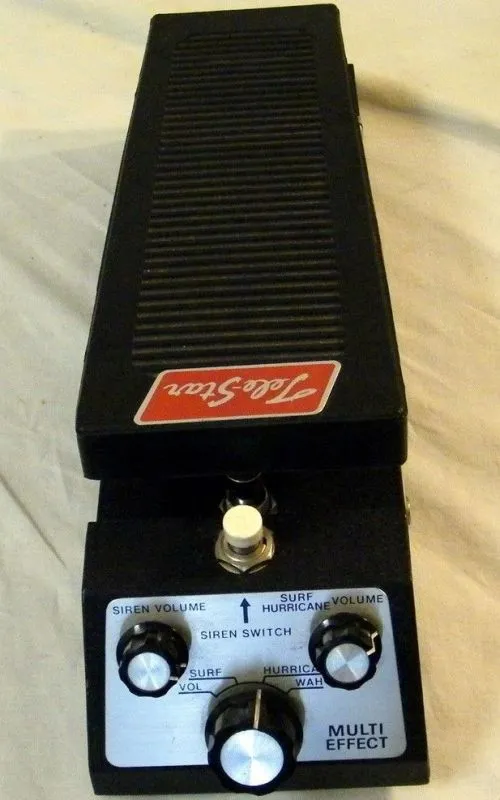
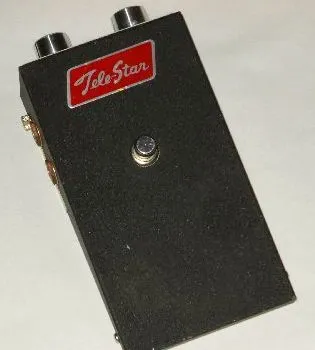
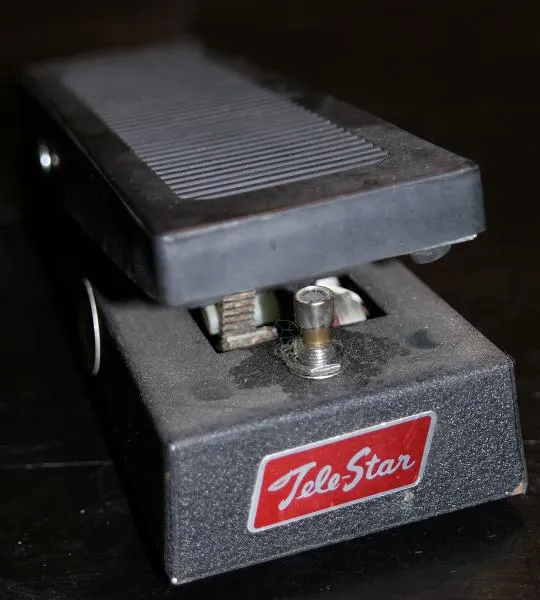
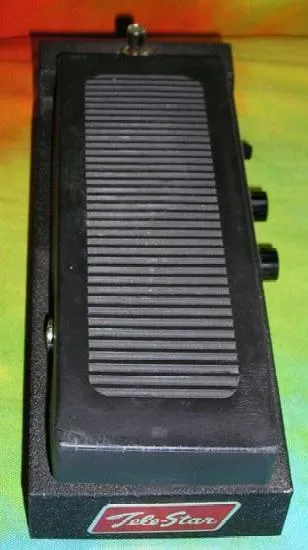
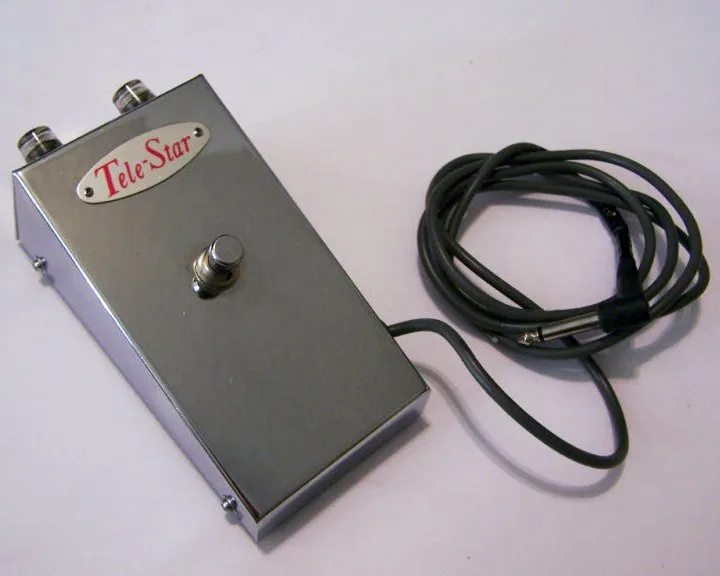
Unearthing the Tele-Star Fuzz: A Vintage Japanese Gem Unassuming yet captivating, the Tele-Star Fuzz is a hidden gem in the annals of vintage guitar effects. This wedge-shaped wonder, manufactured in Japan during the late 1960s, has a storied past that's as intriguing as its bold, gritty tone. Derived from the iconic Maestro FZ-1A, the Tele-Star Fuzz employs a trio of germanium transistors, often the coveted Matsushita 2SB175 variety, to conjure up a sound that's simultaneously buzzy and thick. Depending on the circuit variant, whether the early eyeletboard build or the later FA-II PCB version, the Tele-Star can shift from a snarling, sputtering fuzz to a more rounded, garage-inspired distortion. The pedal's controls are simple but effective – a Volume knob to dial in the perfect output level, and an Attack control that lets you shape the tonal character and intensity of the fuzz. While many stock units featured a hardwired input cable, some examples were later modified with a standard 1/4" jack for easier integration into modern rigs. What makes the Tele-Star Fuzz truly special is its collectible status and the mystery surrounding its origins. Produced as an OEM (original equipment manufacturer) product, it was also sold under various other brand names, including the well-known Sekova Fuzz and Apollo Distortion Box. This adds to the pedal's allure, as vintage enthusiasts seek out these rare and often underappreciated Japanese gems. Whether you're a tone chaser, a vintage gear aficionado, or simply a guitarist in search of a unique fuzz voice, the Tele-Star Fuzz is a must-try addition to your pedalboard. Its gritty, characterful sound has the power to inspire new creative directions, making it a true hidden treasure in the world of guitar effects.